
















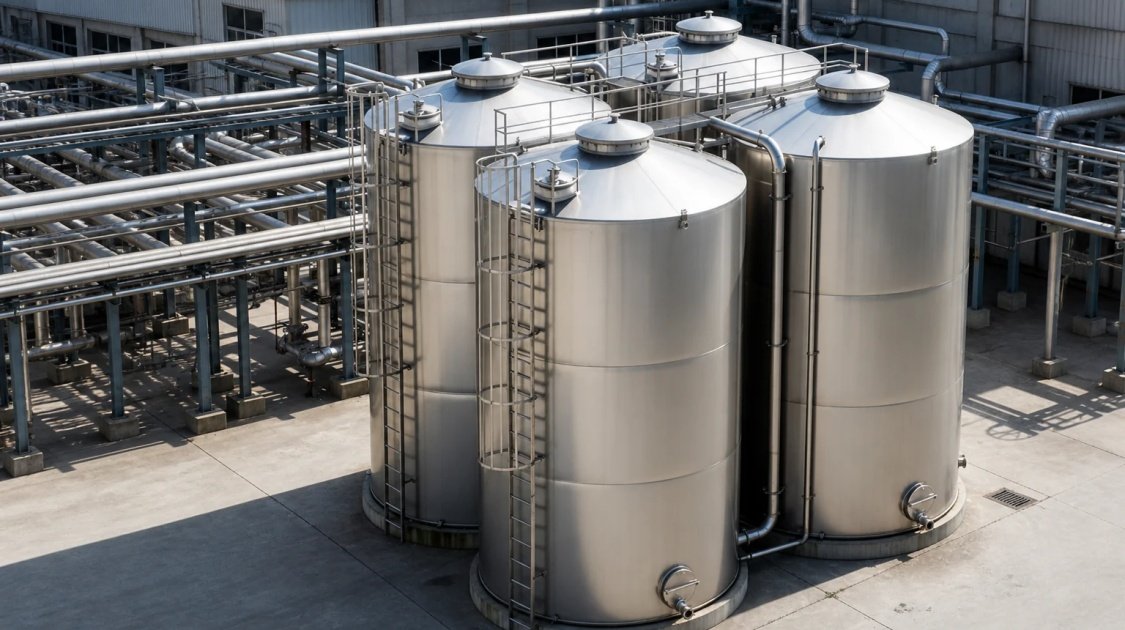
Industrial operations require high-precision equipment to store gases, liquids, and volatile chemicals safely. Pressure storage tanks serve as critical assets across oil and gas, chemical processing, pharmaceuticals, and water treatment industries. Choosing the right pressure tank ensures operational efficiency, prevents product contamination, and guarantees workplace safety.
What is a Pressure Storage Tank?
A pressure storage tank is a specialized container engineered to hold gases or liquids at pressures substantially higher or lower than ambient atmospheric pressure. Unlike standard atmospheric storage tanks, these vessels feature thick, reinforced walls, specialized geometries, and heavy-duty seals designed to withstand internal and external stresses.
These tanks store materials ranging from liquefied petroleum gas (LPG) and compressed air to liquid nitrogen, ammonia, and high-pressure process water.
Key Types of Pressure Storage Tanks
Selecting the appropriate pressure storage vessel depends on space constraints, material properties, and internal pressure requirements.
Bullet Tanks (Horizontal Vessels)
Horizontal cylindrical vessels—often called bullet tanks—are widely used for storing high-volume compressed gases like propane, butane, and anhydrous ammonia. Their streamlined horizontal orientation allows for even weight distribution and easy transportation.
Spherical Pressure Storage Vessels
Spherical tanks are ideal for high-pressure bulk storage. Because a sphere distributes internal pressure evenly across its entire surface, it represents the most structurally efficient shape for extreme pressure applications.
Vertical Air Receivers and Storage Vessels
Vertical pressure tanks save floor space in manufacturing plants and processing facilities. They are commonly used as compressed air receivers, surge tanks, and thermal expansion vessels.
Technical Specifications & Common Configurations
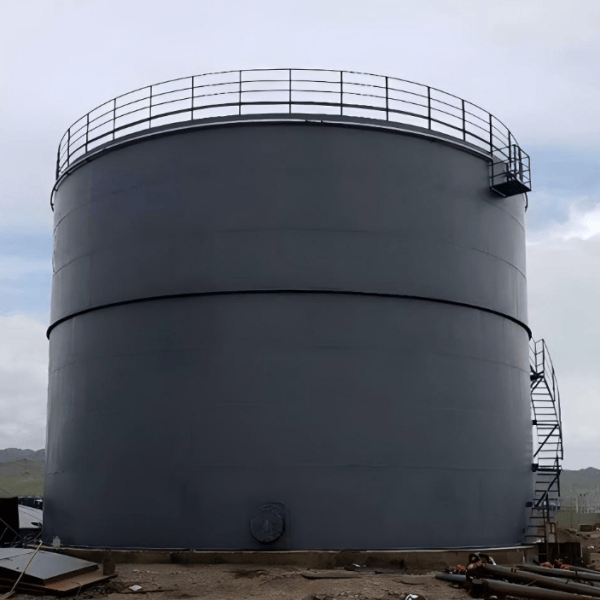
Pressure storage tanks are available in various capacities, pressure ratings, and material options to meet different application requirements. Common configurations include vertical or horizontal designs, carbon steel or stainless steel construction, and different connection sizes. Key specifications typically include working pressure, test pressure, operating temperature, tank volume, and corrosion protection. Custom configurations can also be provided according to specific system requirements.
Essential Safety Design Features
High-pressure storage systems require comprehensive safety components to prevent over-pressurization, structural fatigue, or hazardous leaks.
Pressure Relief Valves (PRVs): Automated valves designed to discharge excess gas or liquid if internal pressure exceeds safe thresholds.
Burst Discs / Rupture Discs: Single-use safety devices that burst at a pre-set pressure to offer rapid pressure release in emergency scenarios.
Corrosion Allowance Thickness: Added wall thickness designed into carbon steel tanks to compensate for natural metal loss over decades of service.
Non-Destructive Testing (NDT): Ultrasonic testing, radiographic inspection, and magnetic particle testing applied during fabrication to verify weld integrity.
Manufacturing Standards and Code Compliance
Compliance with international engineering standards guarantees that pressure vessels perform reliably under harsh industrial conditions.
ASME Boiler and Pressure Vessel Code (BPVC) Section VIII
The primary global standard for designing, fabricating, and inspecting pressure vessels operating above 15 PSI.
Key international certification standards include
- ASME Code Stamp (U, U2, S Stamps): Signifies that the vessel complies with strict American Society of Mechanical Engineers specifications.
- PED 2014/68/EU: Mandatory compliance for pressure equipment sold and operated within the European Economic Area (EEA).
- ISO 9001 Quality Assurance: Guarantees strict manufacturing controls across design, welding, and final pressure testing.
Primary Industrial Applications of Pressure Storage Tanks
Pressure storage tanks support fundamental process workflows across several global industries:
- Oil, Gas, and Petrochemicals
Used for gas-oil separation, refinery surge control, and bulk gas distribution.
- Chemical Manufacturing
Stores corrosive reactants under nitrogen blankets to prevent oxidation and volatile emissions.
- Pharmaceuticals & Biotechnology
Stainless steel pressure tanks provide sterile environments for fermentation and ultra-pure water containment.
Key Factors to Consider When Buying Pressure Storage Tanks
Purchasing industrial pressure storage equipment requires careful evaluation of long-term operational needs.
Fluid Characteristics
Determine whether the media is toxic, flammable, reactive, or highly corrosive. This dictates whether carbon steel or specialized alloys are required.
Operating Pressure and Temperature Cycles
Account for peak operating pressures, thermal fluctuations, and pressure cycling to prevent metal fatigue over time.
Footprint and Installation Space
Choose vertical configurations when floor space is limited, or horizontal bullet tanks for high-volume exterior tank farms.
Customization & Accessories
Specify manway access points, level gauges, insulation jackets, and sight glasses needed for monitoring.
Optimizing Your Storage Infrastructure
Investing in certified pressure storage tanks protects industrial facilities from costly downtime, regulatory penalties, and safety hazards. Partnering with an ASME-certified manufacturer ensures that your storage vessels meet exact engineering tolerances and local compliance requirements. If you have any questions, contact us!