
















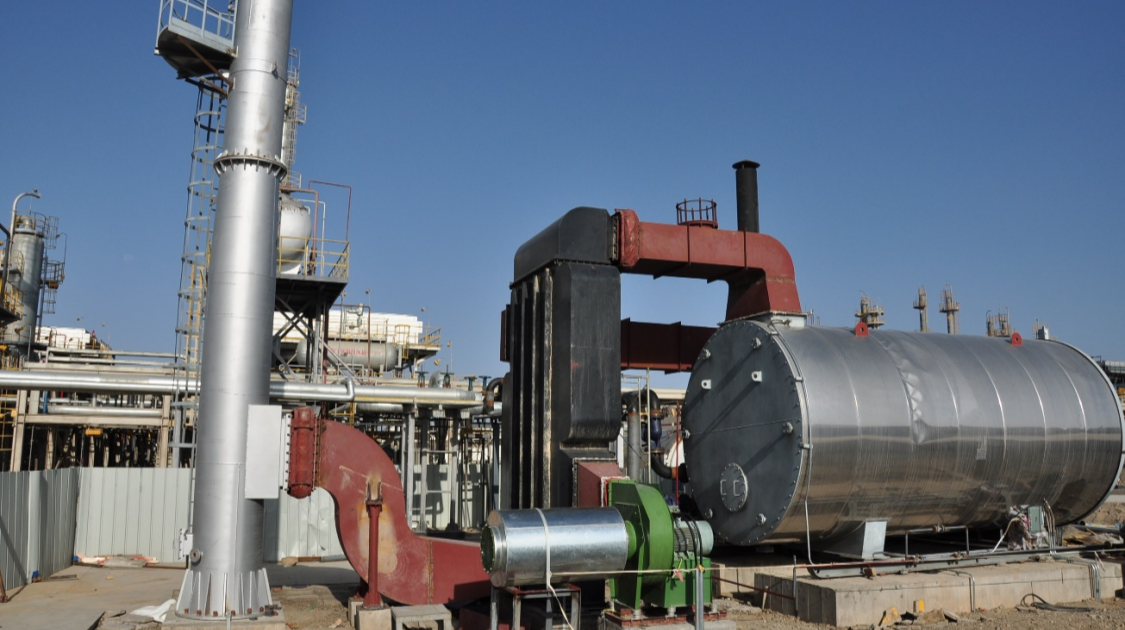
Industrial manufacturing processes demand reliable, precise, and high-temperature heat transfer solutions. A thermal oil heating system—also known as a thermal fluid heater or hot oil system—provides efficient indirect heating without the high operational pressures associated with steam boilers. Understanding how these systems work, their structural components, and key selection criteria allows plant engineers to lower energy costs while maximizing uptime.
Description of Thermal Oil Heating System
A thermal oil heating system uses organic or synthetic heat transfer fluids to circulate heat closed-loop to one or multiple industrial process end-users. Unlike steam systems that require high pressures to achieve temperatures above 100°C (212°F), thermal fluid heaters operate liquid-phase up to 350°C (662°F) or higher at virtually atmospheric pressure.
This liquid-phase, low-pressure operation significantly reduces equipment stress, eliminates water treatment costs, and prevents freezing or internal corrosion risks.
Key Advantages of Thermal Oil Heater Over Traditional Steam Boilers
Selecting thermal fluid over steam offers distinct mechanical and financial benefits for industrial plants:
- Low-Pressure High Temperature: Reaches up to 350°C (662°F) at low operating pressure, reducing pressure vessel rating requirements.
- Corrosion and Freeze Protection: Heat transfer fluids are non-corrosive and remain liquid at sub-zero temperatures, eliminating pipe scale and boiler blowout hazards.
- Precise Temperature Control: Delivers consistent heat with tight tolerance (+/- 1°C), ensuring uniform thermal processing and product quality.
- Low Maintenance: Operates without water treatment chemicals, blowdown losses, or continuous operator monitoring requirements.
Core System Components of Thermal Oil Heater
A complete thermal fluid heating skid integrates several high-precision engineering components:
- Thermal Oil Heater (Fired or Electric): Converts fuel (natural gas, diesel, biomass) or electrical energy to heat the fluid passing through helical coils.
- Circulation Pumps: Heavy-duty, high-temperature centrifugal pumps designed to maintain continuous turbulent fluid flow through the loop.
- Expansion Tank: Accommodates thermal expansion of the fluid as temperatures rise and acts as a deaeration point to remove trapped gases.
- Control System: Monitors flow rates, exhaust temperatures, inlet/outlet differential pressure, and fluid temperatures to prevent thermal degradation.
Industrial Applications of Thermal Oil Heating System
Thermal oil heaters serve as the thermal backbone across various energy-intensive manufacturing sectors:
Chemical Processing
Provides indirect heating for reactors, distillation columns, autoclaves, and resin synthesis.
Asphalt & Roofing Manufacturing
Maintains bitumen and asphalt at pumping temperatures during bulk storage and blending.
Food & Beverage
Delivers uniform heat to industrial fryers, baking ovens, spray dryers, and deodorization towers.
Textiles & Wood Processing
Powers hot presses, stenters, and dryers for veneer, particleboard, and fabric finishing.
Critical Factors When Sourcing a Hot Oil System
To ensure optimal performance and long fluid lifespan, evaluate these engineering parameters before purchasing:
- Operating Temperature Profile: Determine whether synthetic or mineral-based heat transfer fluid is required based on maximum process temperature.
- Flow Rate & Velocity: Ensure the pump maintains adequate velocity through the heater coils to prevent oil cracking or film overheating.
- Safety Compliance: Verify compliance with international codes such as ASME Section VIII / Section I, DIN 4754, or PED 2014/68/EU.
- Heat Recovery Integration: Request waste heat recovery units (economizers) on exhaust gas stacks to boost overall fuel efficiency.
Investing in Process Heat Efficiency
A well-designed thermal oil heating system offers industrial facilities a safe, low-pressure, and low-maintenance alternative to steam. Choosing the right heater geometry, fluid type, and automation package ensures long-term operational reliability and lower total cost of ownership.