
















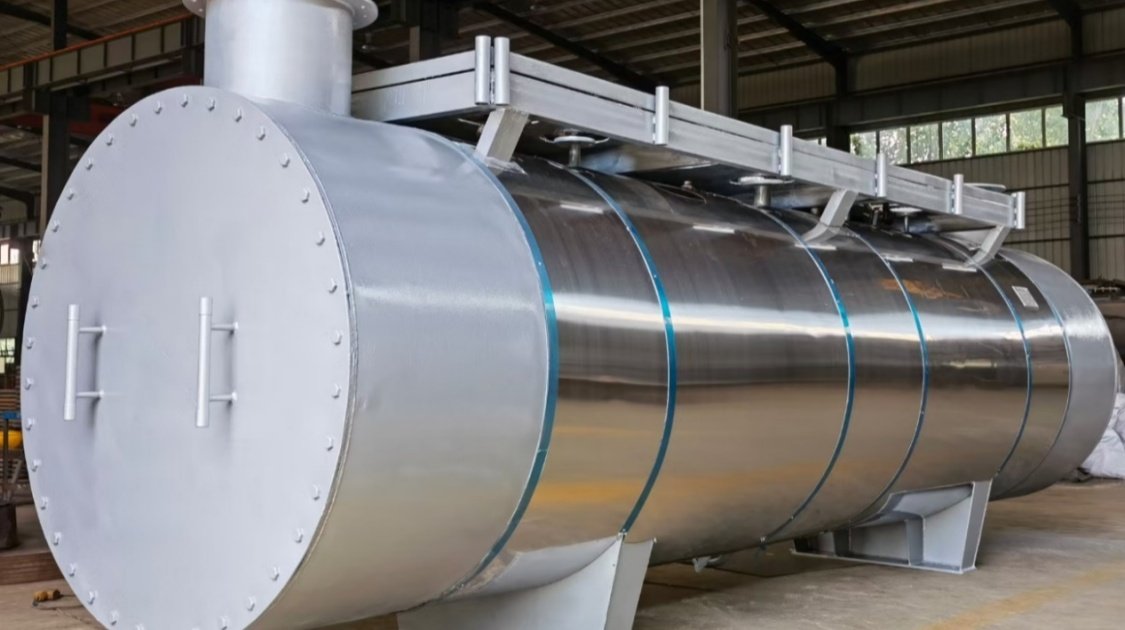
A Hot Water Boiler is a heating system designed to transfer thermal energy to water and distribute the heated water through a building, facility, or industrial process. Unlike a steam boiler, a hot water boiler normally supplies heated water rather than generating steam. These systems are widely used for space heating, domestic hot water applications, process heating, hotels, hospitals, schools, commercial buildings, and industrial facilities.
What Is a Hot Water Boiler?
A hot water boiler is a closed heating appliance that uses a heat source to raise the temperature of water. The heated water is then circulated through pipes to radiators, heat exchangers, air-handling units, floor heating systems, or industrial equipment.
Hot water boilers are commonly used in closed-loop hydronic heating systems. In these systems, water continuously circulates between the boiler and the heat load, allowing thermal energy to be transferred efficiently throughout a facility.
Although the term “boiler” is widely used, a hot water boiler does not necessarily boil water. Many modern systems operate below the boiling point and are designed to deliver hot water at controlled temperatures and pressures.
How Does a Hot Water Boiler Work?
The basic working principle is straightforward. A fuel source or electrical energy heats water inside a heat exchanger or boiler vessel. A circulation pump then moves the heated water through the system.
In a gas-fired or oil-fired model, combustion produces heat that is transferred to the water. In an electric hot water boiler, electrical resistance elements or other electric heating technology provide the heat without combustion.
The cooled return water flows back to the boiler, where it is reheated and circulated again. This continuous process allows the system to maintain a stable temperature for heating applications.
Modern boiler systems may also include temperature sensors, pressure controls, safety valves, circulation pumps, expansion tanks, and automatic control systems.
4 Types of Hot Water Boilers
There are several types of hot water boilers, and the appropriate choice depends on the required capacity, fuel availability, operating conditions, and application.
Gas-Fired Hot Water Boiler
Gas-fired hot water boilers use natural gas or propane as the primary fuel source. They are widely used in commercial buildings, factories, hotels, schools, and other facilities requiring continuous heating.
Gas-fired systems can provide high heating output and are available in both conventional and condensing configurations.
Oil-Fired Hot Water Boiler
Oil-fired boilers use liquid fuel to generate heat. They can be suitable for facilities where natural gas is unavailable or where an existing oil infrastructure is already in place.
Fuel storage, ventilation, emissions requirements, and maintenance should be considered during system selection.
Electric Hot Water Boiler
Electric hot water boilers use electrical energy to heat water. Because there is no combustion process, these systems do not require traditional combustion flues and can be suitable for locations where gas service or ventilation is limited.
Electric boilers are also being considered for applications where facilities are moving toward electrification.
Condensing Hot Water Boiler
A condensing hot water boiler is designed to recover additional heat from flue gases by allowing water vapor in the exhaust to condense under suitable operating conditions.
This technology can achieve high efficiency, particularly when the system operates with relatively low return-water temperatures.
Hot Water Boiler vs. Steam Boiler
One common question is the difference between a hot water boiler and a steam boiler.
A hot water boiler heats water and circulates it through a heating system. A steam boiler heats water until steam is produced, after which the steam is distributed to the required application.
Hot water systems are commonly used for space heating, domestic hot water, and lower-temperature process applications. Steam systems are often selected when the application requires steam for industrial processes or other high-energy thermal applications.
Therefore, the choice should be based on the required heat-transfer medium, temperature, pressure, and process requirements.
Key Hot Water Boiler Specifications
When comparing hot water boilers, buyers should look beyond the nominal heating capacity. Important technical specifications can include:
- Rated heating capacity
- Fuel type
- Thermal or combustion efficiency
- Water flow rate
- Operating temperature
- Maximum working pressure
- Boiler water volume
- Heat exchanger material
- Connection size
- Electrical requirements
- Control system
- Safety devices
- Overall dimensions and weight
Capacity is normally specified using units such as BTU/h, kW, or boiler horsepower, depending on the market and application.
For commercial boiler systems, efficiency requirements can also vary according to equipment category and rated input. In the United States, commercial packaged boilers are subject to federal energy-conservation standards and specified test procedures.
4 Tips Choose the Right Hot Water Boiler
Selecting a hot water boiler should begin with the actual heating load rather than simply choosing the largest available model.
First, determine the required heating capacity based on building size, insulation, climate, process requirements, water temperature, and peak demand.
Next, consider the available energy source. Natural gas, propane, oil, and electricity can have significantly different installation requirements and operating costs.
Operating temperature is another important consideration. Some heating systems require relatively low-temperature water, while industrial processes may require higher-temperature operation.
Space should also be evaluated. Vertical boilers can provide a smaller footprint in certain installations, while horizontal configurations may be preferable for other mechanical-room layouts. Commercial boiler systems are available in both orientations and in multiple design configurations.
Applications of Hot Water Boiler
Hot water boilers serve a wide range of commercial and industrial applications.
In commercial buildings, they can supply heating for offices, hotels, schools, hospitals, and other large facilities. In industrial environments, hot water may be used for process heating, equipment heating, cleaning, and temperature-controlled production processes. Other applications include:
- HVAC heating systems
- Radiant floor heating
- Hotels and resorts
- Hospitals and healthcare facilities
- Schools and universities
- Food processing
- Manufacturing facilities
- Warehouses and commercial buildings
- Agricultural and industrial facilities
The exact boiler configuration should be matched to the temperature, pressure, flow rate, and operating schedule required by the application.
Hot Water Boiler Efficiency and Energy Management
Energy efficiency is an important consideration when purchasing a new boiler. However, efficiency should not be evaluated as a single number.
The overall performance of a heating system depends on boiler efficiency, operating temperature, system controls, circulation, insulation, return-water temperature, maintenance, and load management.
For condensing boilers, maintaining appropriate return-water temperatures can allow the system to recover additional heat from flue gases. For multi-boiler installations, staged operation can also help match boiler output with changing heating demand.
Regular maintenance is equally important. Heat-transfer surfaces, burners, pumps, controls, water quality, and safety devices should be inspected according to the manufacturer’s recommendations.
Safety of Hot Water Boiler
Because hot water boilers operate with heated water and pressure, safety should be a fundamental part of system design.
Depending on the application and jurisdiction, a boiler system may incorporate pressure relief valves, temperature controls, low-water protection, pressure gauges, automatic shutoff systems, combustion controls, and other protective devices.
Installation and operation should follow applicable local regulations, codes, and manufacturer requirements. Commercial and industrial buyers should also verify whether certification, inspection, efficiency, emissions, or pressure-vessel requirements apply to the selected equipment.
Conclusion
A Hot Water Boiler is an important component of many commercial, institutional, and industrial heating systems. Choosing the right model requires more than comparing purchase prices. Heating capacity, fuel type, operating temperature, pressure, efficiency, installation space, controls, maintenance, and applicable regulations should all be evaluated.
Whether the requirement is for building heating, HVAC, domestic hot water, or industrial process heating, a properly selected boiler can provide reliable and controllable thermal energy.
For buyers comparing different models, the next practical step is to prepare a Hot Water Boiler specification sheet covering capacity, fuel, operating temperature, pressure, efficiency, dimensions, and application requirements before requesting supplier quotations.